Seven Syracuse scholars among 24 inaugural awardees from four CNY Humanities Corridor working groups
Sept. 14, 2026
· By Aimee Germain
Collaboration is the core of what Working Groups do: it takes many forms and allows many to find intellectual community and a sense of professional fulfillment. Yet, collaboration in the humanities remains under-acknowledged in institutional and professional reward structures. The CNY Humanities Corridor developed a new prize program to incentivize and recognize individual Organizers doing this collaborative work.
Dreams have occupied a central place in human thought for as long as people have tried to make sense of themselves.
Sept. 11, 2026
· By Sean Grogan
The 2026-2027 Syracuse Symposium, themed "DREAMS," engages the idea through storytelling, film, music, activism and cultural tradition. The Syracuse University Humanities Center's fall programming explores how dreams shape memory, identity and the futures we imagine for ourselves and our communities.
New York Times opinion piece shares Project Mend production
May 27, 2026
· Marvin Wade, Evan Bode
In conversations about prison, people often mistake punishment for justice. Instead of investing in prevention, repair and healing, the carceral system often doubles down on violence. But it doesn’t have to be that way.
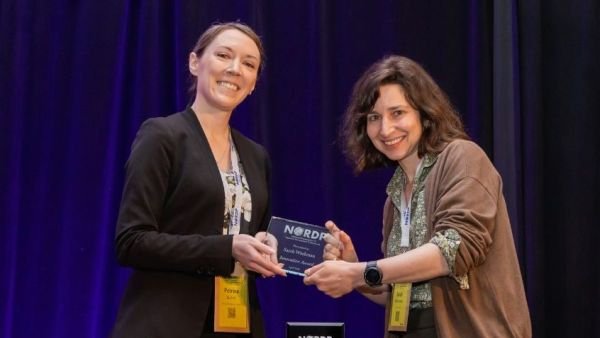
The award recognizes professionals who advance research development through partnerships, new tools and techniques or the creation and sharing of knowledge that produces demonstrable results.
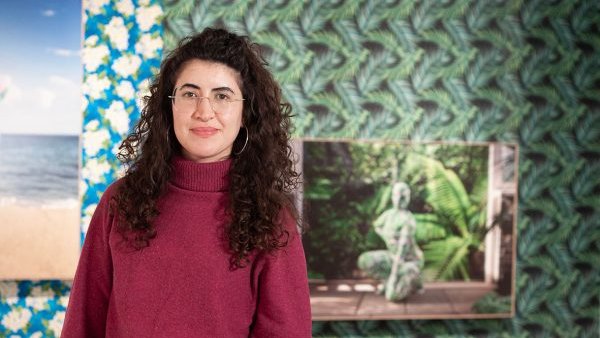
Cristina Pardo Porto's recently released volume offers an interdisciplinary approach to ecocriticism and environmentalism.
April 24, 2026
· By Colette Goldstein
In April of 2022, while scrolling “academic Twitter,” Cristina Pardo Porto came across a post by Oscar Pérez, a professor at Skidmore College seeking collaborators for a new book on plant and animal studies.
Intrigued, she reached out to Pérez, beginning a virtual exchange that blossomed into the mentoring relationship and collaborative effort that resulted in Plants and Animals in Latin American Cultural Production (2025, University of Florida Press). The volume explores how a more-than-human approach to cultural production offers new perspectives and understandings of the environment that decenters humans...
Humanities-related books by 43 authors, editors and illustrators from around campus will be featured in the center's annual Books in the Humanities celebration.
April 21, 2026
· By Kelly Homan Rodoski
From art ecosystems to social robots to how people grow and learn, University faculty, staff and students are writing, editing and illustrating the books the moment demands.
On Wednesday, April 29, the University’s Humanities Center with host its 11th Annual Books in the Humanities, to celebrate humanities-related works that hit the shelves in 2025 and the scholars behind them. The showcase will feature 44 books by 43 authors, editors and illustrators representing 22 departments or programs across 10 University schools, colleges and divisions. Check out the full list of books that will be recognized.
Art has the power to traverse time, space, and culture. Though 4,000 miles separate Alaska and New York, the energy of Linda Infante Lyons’ artwork makes the distance feel fluid.
March 24, 2026
· By Colette Goldstein
Linda Infante Lyons’ paintings line the walls of her studio in Anchorage, Alaska. From “icon portraits” to landscapes, her artwork holds a palpable verve — carrying a panorama of stories, ideas, and interpretations with them, often centered on Alutiiq culture and identity.
Syracuse is a patchwork of stories, and many in the community recently came together to celebrate a common thread: an appreciation for quilting.
March 23, 2026
· By Colette Goldstein
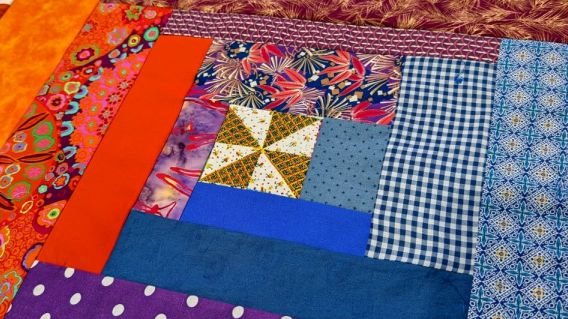
On March 21, Worldwide Quilting Day, the Humanities Center’s Syracuse Symposium on “Creativity” featured “Stitching Our Stories: Threads of Self, Community and Future,” welcoming three star-powered quilters — Valerie Goodwin, Chawne Kimber, and Thomas Knauer — to speak on their artistic journeys, work, and inspiration. This event was the culmination of four “sew-in” workshops hosted by a team of rotating facilitators since October, where participants designed quilt blocks centered on four distinct themes: person, place, community, and imagined futures...
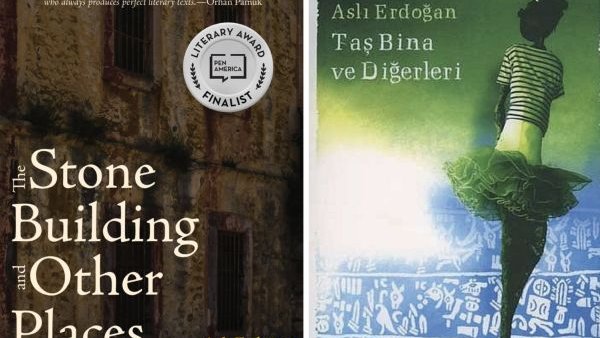
From a Turkish prison to the Metropolitan Opera, A&S faculty members reveal what it truly takes to bridge languages, cultures and centuries through translation.
March 20, 2026
· By Sean Grogan
In an increasingly interconnected world, the ability to understand cultures beyond our own has never been more important. One of the most powerful ways to achieve that knowledge is through literature and cultural work. Accessing the stories, texts and art that reflect the daily lives and values of people across the globe makes one world legible to another and offers the potential to bridge divides. Two events featured in this year's Syracuse Symposium on "Creativity," presented by the Humanities Center focus on "Creativity in Translation."
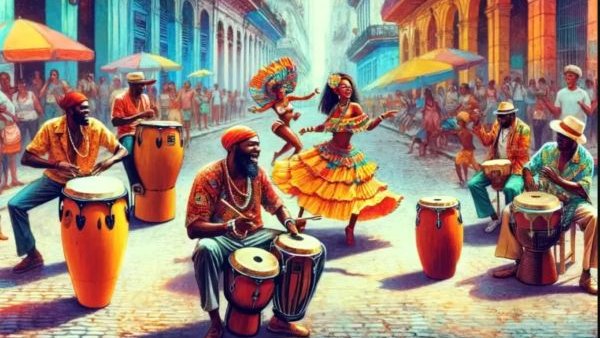
An Arts and Sciences music historian has been awarded a National Humanities Center summer residency to explore how Afro-Cuban film soundtracks shaped cultural representation and framed Caribbean identity for global audiences.
March 17, 2026
· By Dan Bernardi
Cary Peñate’s selection for a prestigious summer residency at the National Humanities Center (NHC) in North Carolina will further strengthen and expand her research into how Afro-Cuban dance music was depicted in early film soundtracks. The program offers uninterrupted research time, dedicated writing space, full library services, weekly professional development sessions and more -- an opportunity made possible with support from the Syracuse University Humanities Center.